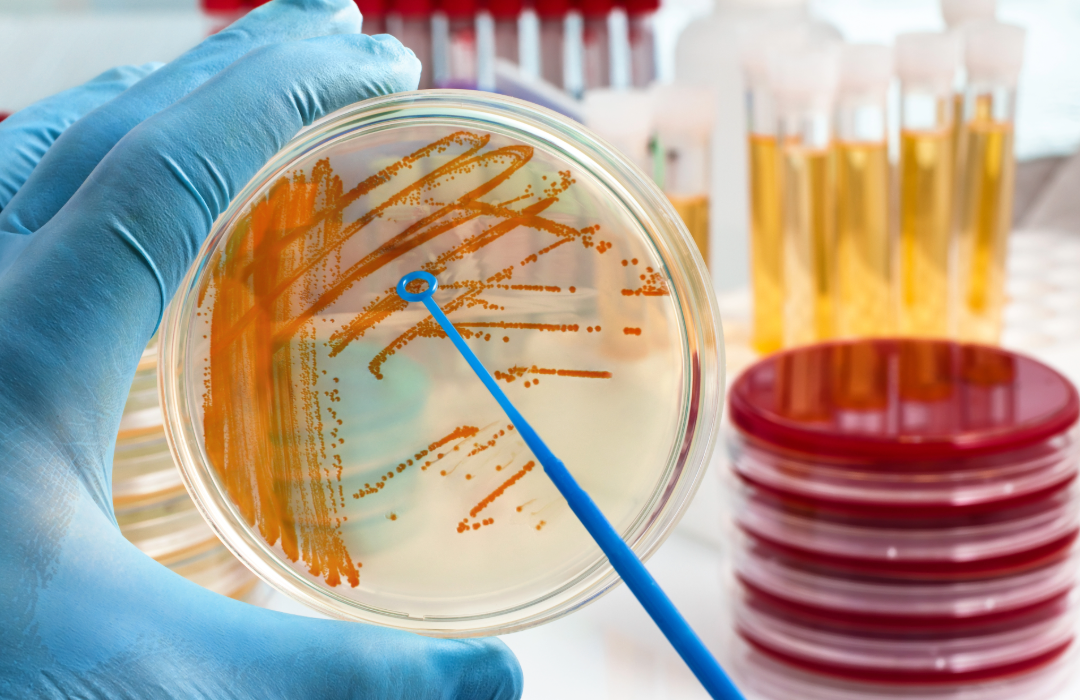
Microbiological testing of food and agricultural products is essential to ensure safety, quality, and compliance with health standards. This testing detects harmful microorganisms such as Salmonella, E. coli, and Listeria, which can cause serious foodborne illnesses. It helps identify contamination during production, processing, and distribution stages. Regular testing reduces public health risks, supports regulatory compliance, and protects brand reputation. It also aids in extending shelf life and improving product consistency. In agriculture, it ensures that raw materials like soil, water, and manure are free from pathogens. Overall, microbiological testing is critical for a safe, sustainable, and trustworthy food supply chain.
● Milk ● Bakery and Confectionery ● Spices Herbs Condiments ● Vegetables ● Nuts ● Fruits ● Ready to eat foods ● Pulses & cereals ● Beverages ● Edible Oil ● Snacks & Instant mixes
Parameters: Total plate count, Coliforms, Escherichia coli, Staphylococcus aureus, Yeast and mould, Faecal streptococci, Enterobacteriacea, Bacillus cereus, Clostridium perfringens, Salmonella spp, Shigella spp, Vibrio cholera, Vibrio parahaemolytics, Listeria monocytogenes, Thermophillic count
Water microbiological testing is crucial for ensuring the safety and quality of drinking water, recreational water, and water used in food production. It detects harmful microorganisms like Total Coliforms, E. coli, Salmonella, Fecal Coliform and Fecal Streptococci that can cause serious illnesses. Regular testing helps prevent waterborne disease outbreaks, protects public health, and ensures compliance with local and international water quality standards. It is especially important in municipal systems, hospitals, food industries, and agricultural settings. Testing also helps monitor the effectiveness of water treatment processes and identify sources of contamination. Overall, microbiological testing is vital for maintaining clean, safe, and reliable water for all uses.
●Drinking Water ● Cooling Tower ● Swimming pool water ● Construction water/Bore well/ Surface Water
Parameters: Total plate count, Total Coliforms, Faecal Coliforms, Escherichia coli, Faecal
Streptococci, Pseudomonas aeruginosa, Staphylococcus aureus, Salmonella spp, Shigella spp, Vibrio
cholera, Vibrio parahaemolyticus, Yeast and mould, Sulphite Reducing Anaerobes (Clostridia),
Legionella spp, Proteolytic count, Lipolytic Count, Thermophillic bacterial count
Pollution and environmental microbiological testing play a vital role in monitoring ecosystem health and detecting harmful microbial contamination in air, soil, and water. This testing identifies pathogens, indicator organisms, and microbial pollutants that can result from industrial waste, sewage discharge, or agricultural runoff. It helps assess environmental impact, track pollution sources, and evaluate the effectiveness of cleanup efforts. Regular testing ensures regulatory compliance, protects public health, and supports biodiversity. It also aids in preventing the spread of diseases linked to contaminated environments. Overall, environmental microbiological testing is essential for sustainable development, pollution control, and the protection of natural resources.
● Waste Water
Parameters: Heterotropic plate count, Coliforms, Faecal coliforms, Escherichia coli, Faecal
streptococci
● Air Monitoring & Surface Swab
Parameters: Total plate count, Yeast & Mould, Coliform, Escherichia coli, Staphylococcus aureus,
Salmonella spp, Listeria monocytogenes
Marine and aquaculture food microbiological testing is crucial for ensuring the safety and quality of seafood products such as fish, shrimp, and shellfish. This testing identifies harmful microorganisms like Vibrio, Listeria, Salmonella, and E. coli, which can pose serious health risks to consumers. It helps detect contamination during harvesting, processing, and distribution stages. Regular testing ensures compliance with national and international food safety standards, supports export eligibility, and protects public health. Additionally, it helps maintain consumer confidence, reduce product recalls, and promote sustainable seafood practices. Overall, microbiological testing is vital for delivering safe, high-quality marine and aquaculture food products.
● Marine & Aqua Culture
Total plate count, Yeast and mould, Staphylococcus aureus, Escherichia coli, Salmonella spp, Vibrio
cholera, Clostridium perfringens, Listeria monocytogenes